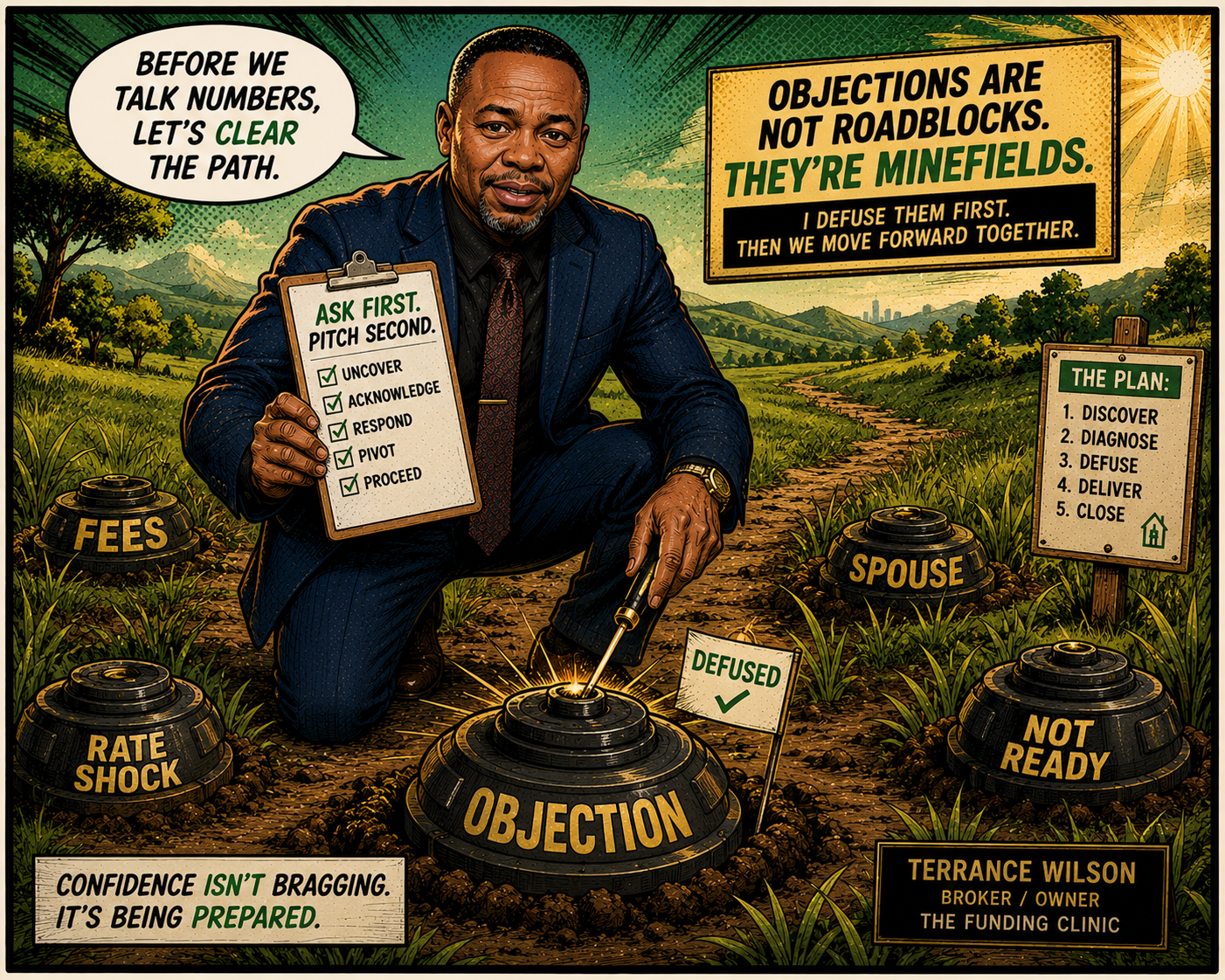
You finished Phase 1. Here's what that means — and what's coming next.
Phase 1 gave you one tool for one moment. Someone hits you with "just give me the rate" before you've even started — and now you know exactly what to do. That's real. That's built.
★ Phase 1 — What you built
A
Acknowledge — Repeat it back. They feel heard. The wall drops slightly.
R
Respond — Keep your promise. The rate is coming — just not before the diagnosis.
P
Pivot — One discovery question. You take the wheel. They stop being a rate shopper and start being a prospect.
ARP was trained for Stop 1 only — the opening wall. That's a single moment in a call that has eight stops. You handled the entrance. Phase 2 is everything inside.
Here's the problem: objections don't stop at the opening. They show up in the middle of the call, right before you pitch, and right when you're about to close. And most of them don't sound like objections at all.
⚠ The gap Phase 1 left open
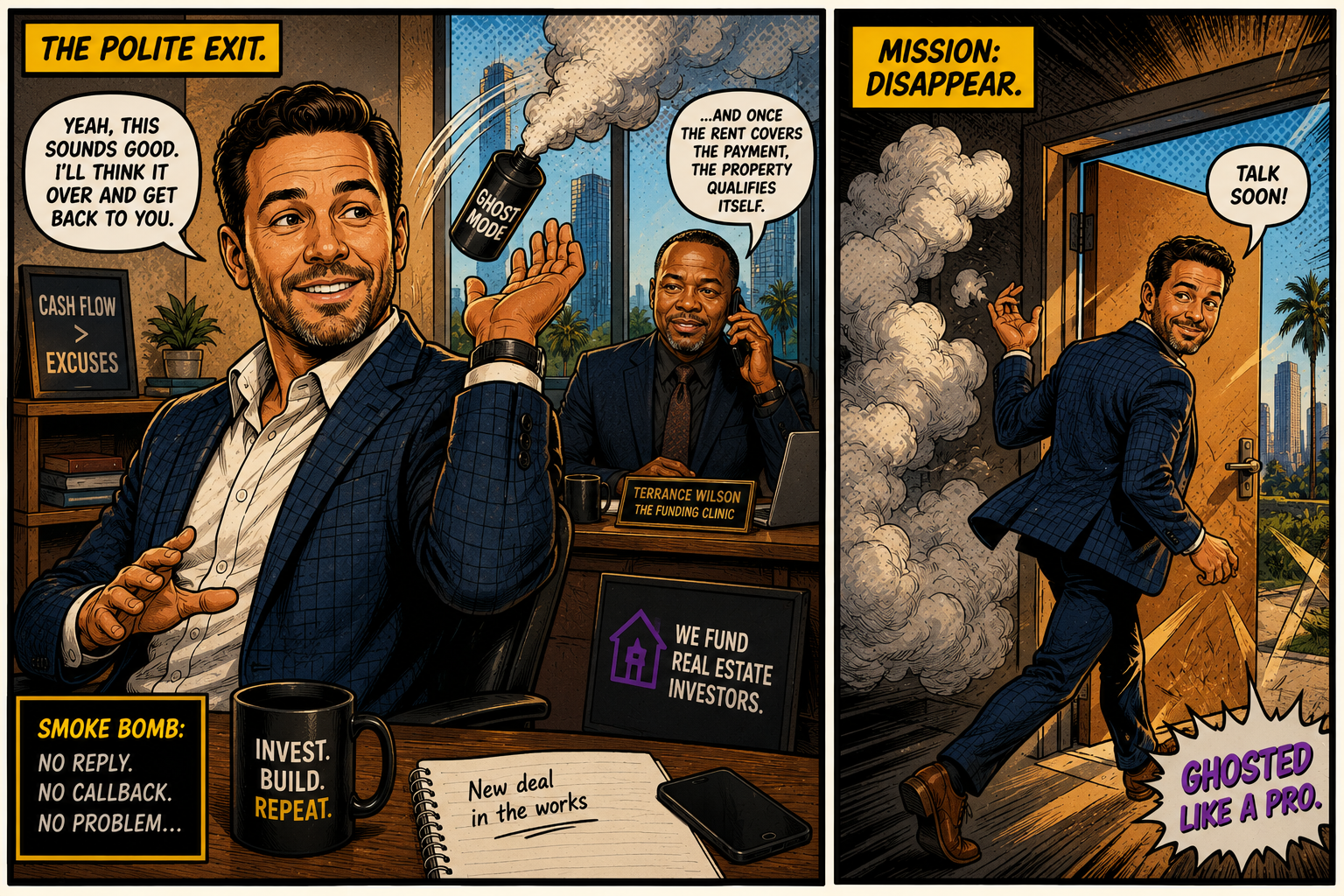
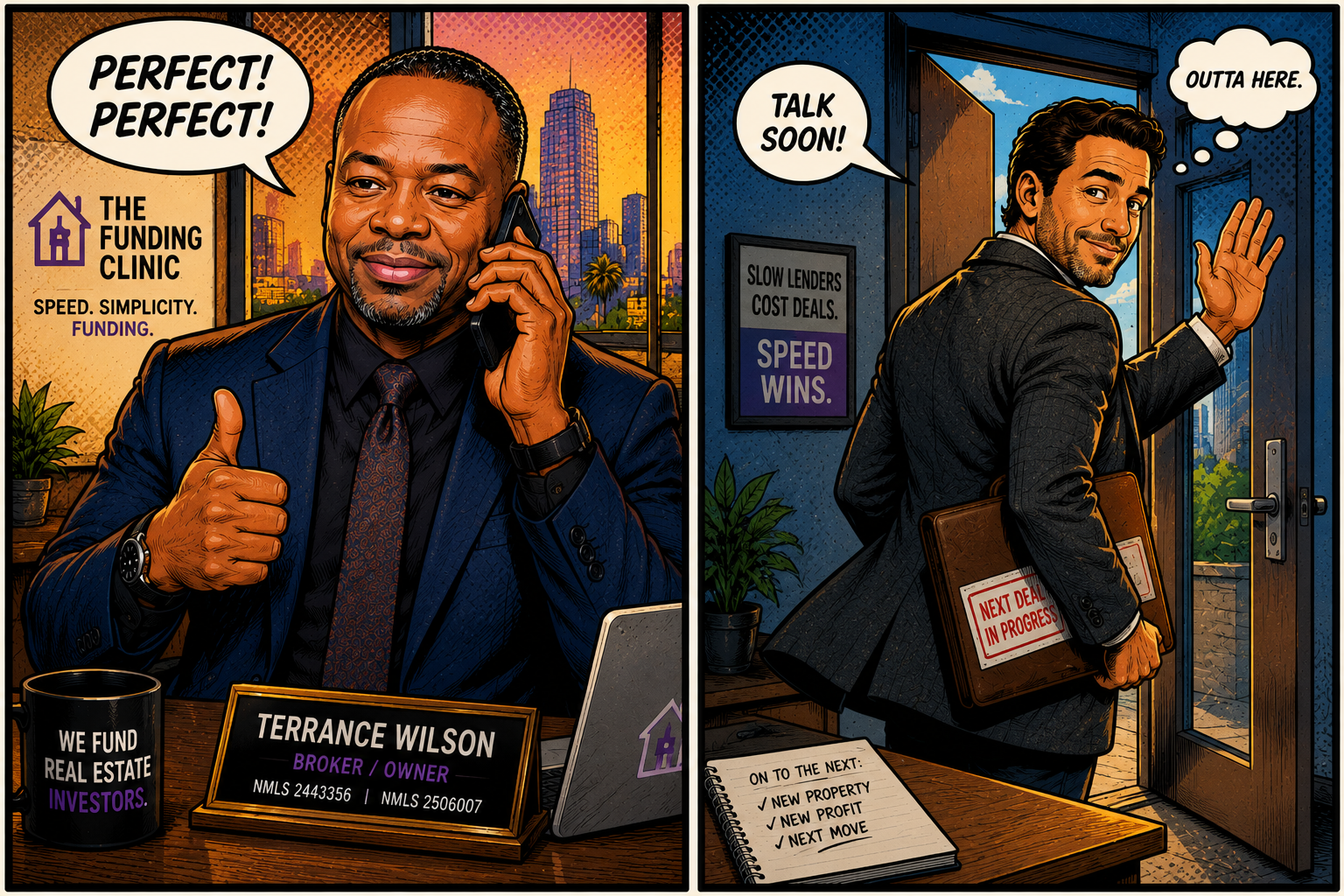
Most of the objections that killed your deals this year didn't announce themselves. They sounded like warmth. Like agreement. Like "this sounds great, let me think about it." You said "Perfect, perfect" — and the deal quietly walked out the door.
Phase 2 gives you tools for the rest of the call. Five objection types. Three frameworks. All of it from your actual transcripts — calls you were already on.
You'll learn to spot
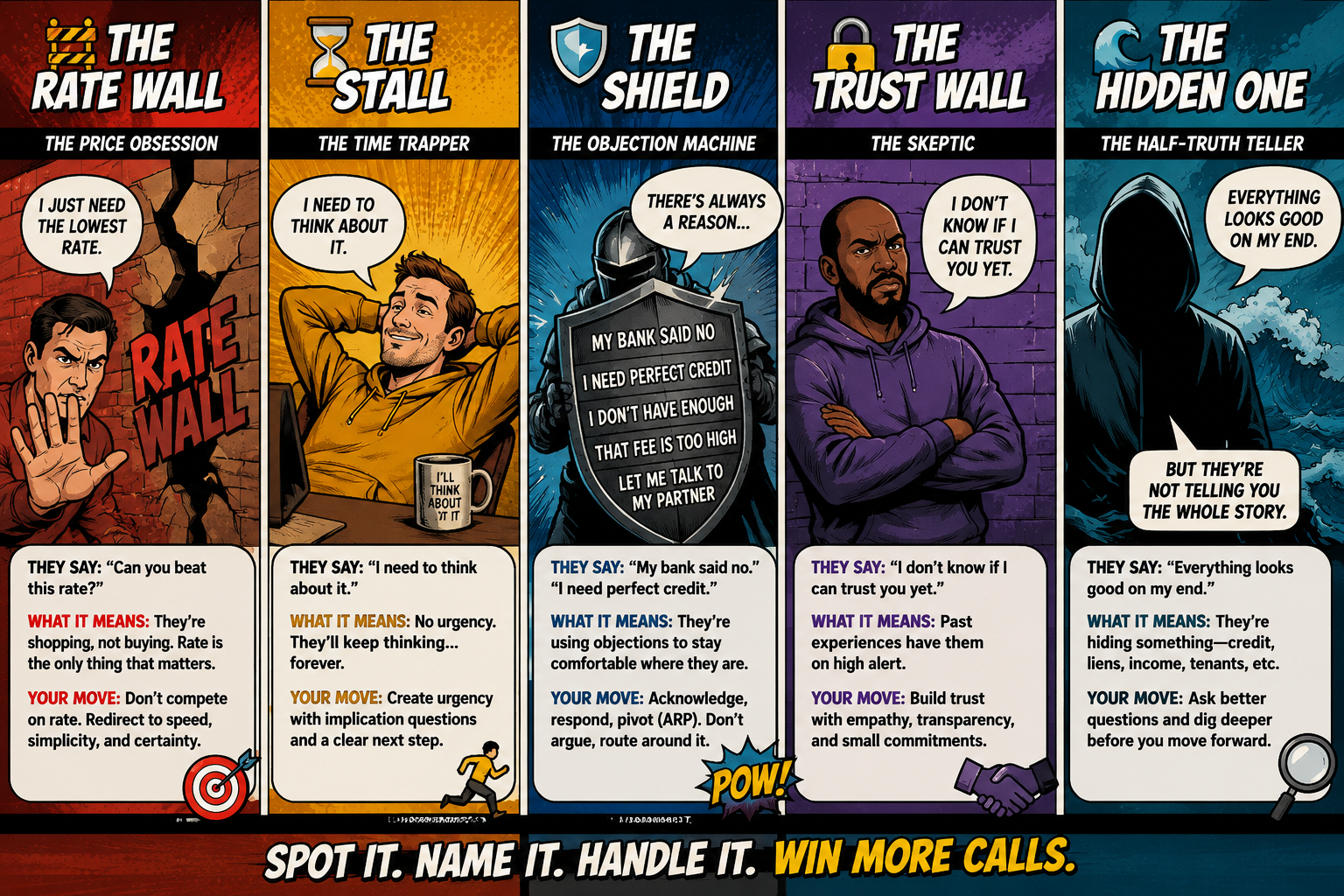
🚧 The Rate Wall ⏳ The Stall 🛡 The Shield 🔒 The Trust Wall 🌊 The Hidden One
You'll add to your toolkit
🔨 ARC — end-of-call close 🔎 PUO — find objections early 💡 The pre-emptive question 📌 The full 7-stop call flow ⚡ Real call autopsies
Every example in this course is from a call you were already on. You've lived all of this. This course puts names on what's been happening — so you can catch it next time instead of missing it after.
A note before you start
On the call examples — and how to use this course when something feels off.
Some of the breakdowns in this course are AI interpretations of real transcripts. If something described here doesn't match how you remember it — that's not a reflection on you. That's just how AI works: it reads patterns, not full context. Take the lesson underneath it, even if a detail feels off.
If something doesn't land right — use the Q&A box.
Every slide has a question box at the bottom. Ask a question, push back, add your own context. Whatever makes the lesson more useful to you. Just hit Save to notes so you keep it.
The goal isn't a perfect autopsy of every call. The goal is a sharper reflex on the next one.
Before we start
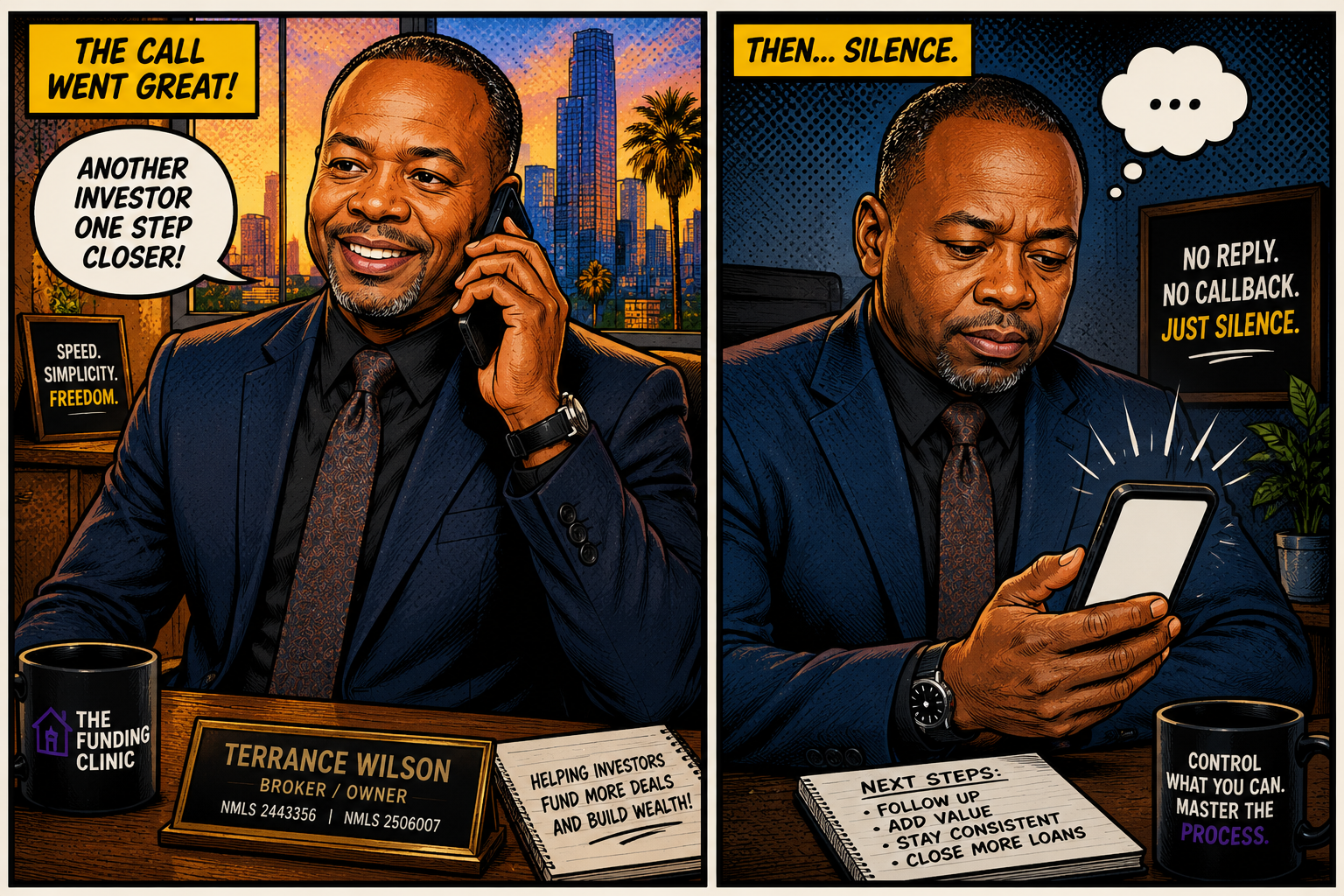
The call felt great. They were engaged. Then nothing.
You built rapport. They laughed. They said "this sounds great." You sent the quote.
No callback. No reply. Gone.
This isn't about the rapport — that part worked. What broke down happened after you hung up. And once you see it, you can prevent it.
Real moment — Syed Raza, after opening the fee quote email
Syed"You are taking the closing cost about more about $100,000."
✕ The call went fine. The fee sheet landed without any verbal context. This course shows you how to prevent that.
Phase 1 trained you to handle the wall at the start of a call. Phase 2 gives you everything else — what to do in the middle, before the pitch, and when they're about to say goodbye.
Before we dive in
Every call has 8 stops. Phase 1 covered Stop 1. Phase 2 is the rest.
ARP at Stop 1 gets you past the opening wall. But objections show up at every stop after that — in the middle of the call, right before you pitch, and right when you're about to close. That's what this course covers.
Tap through the stops to see where each tool lives. Then hit Next when you're ready.
The 5th-grader definition
An objection doesn't sound like "no." It sounds like "sure, let me think about it."
Here's the rule you need to wire into your brain:
If their answer stops you from moving forward TODAY — it's an objection. Doesn't matter how friendly it sounded.
Objections come in five forms. You'll learn all five in this course:
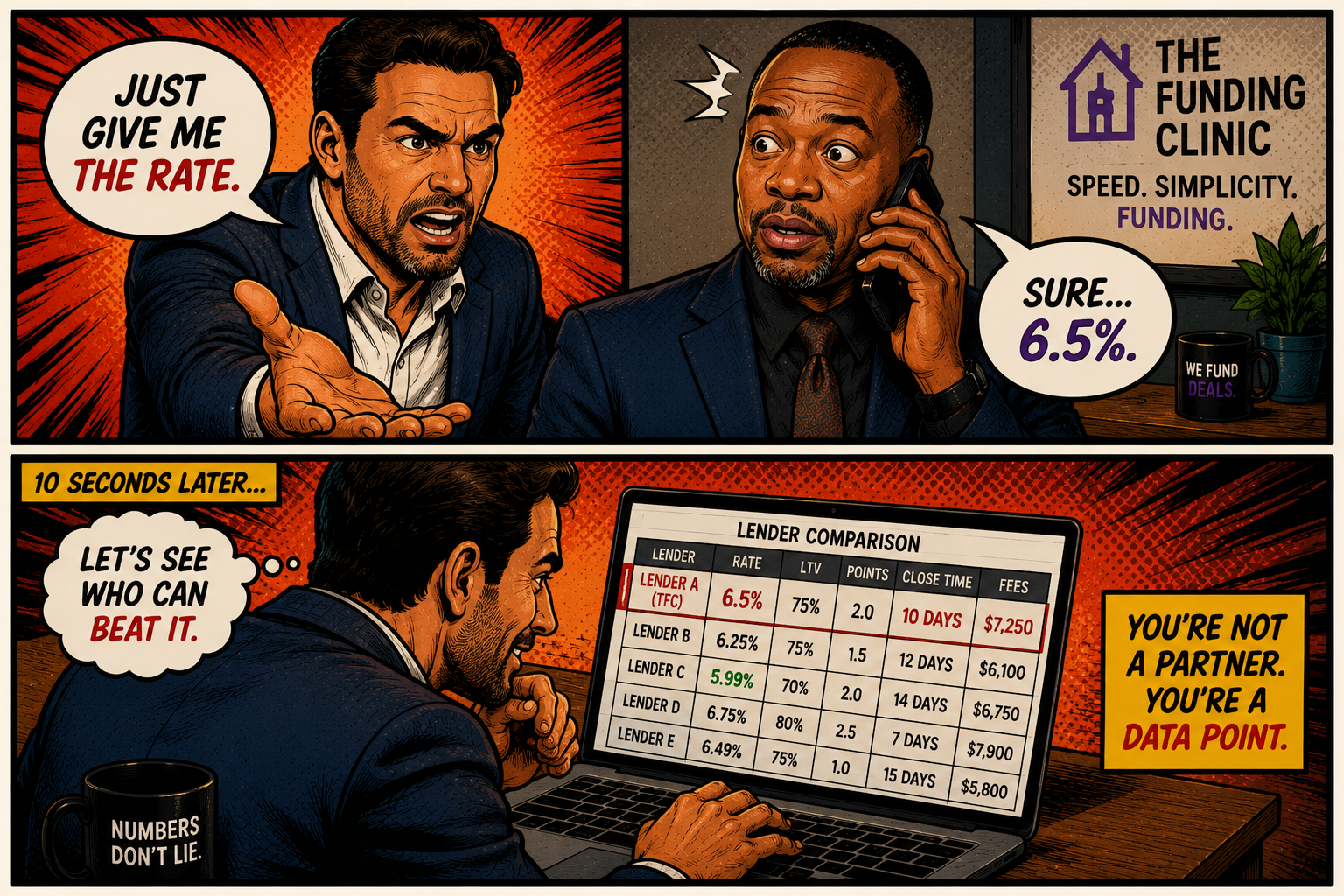
🚧 The Wall — Demands something before you can proceed. "Just give me the rate."
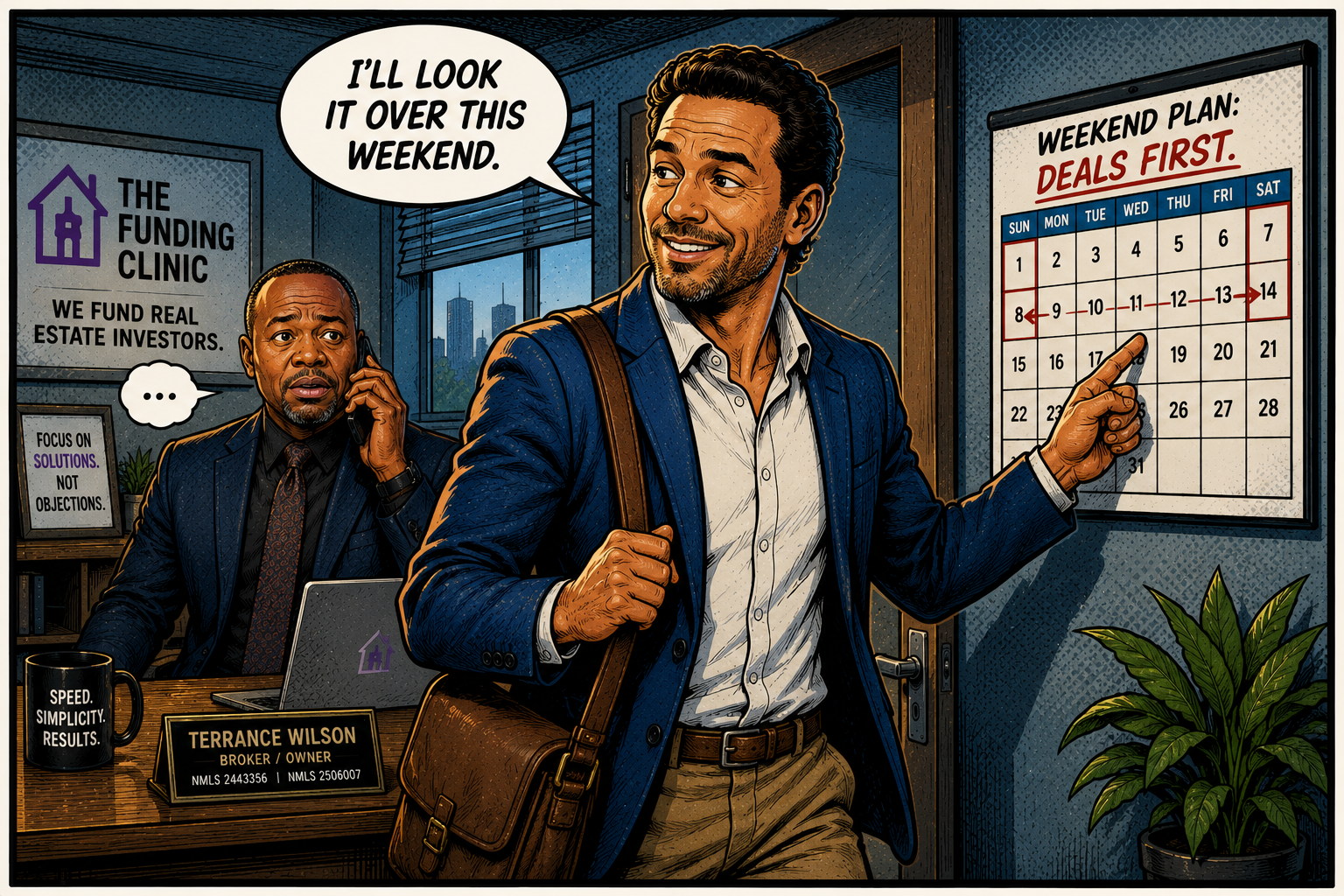
⏳ The Stall — Delays with a reason that sounds logical. "I'll look it over this weekend."
🛡 The Shield — Uses a third party to exit. "I need to run it by my wife."
🔒 The Trust Wall — Suspicion that shuts the whole thing down. "Nice try. I've been in business too long."
🌊 The Hidden One — Never stated. You have to dig it out. (You won't even know it's there.)
Your cheat sheet
Five types. One rule. If it stops the deal today — it's one of these.
You'll see all five in this course. Know their names before you meet them.
🚧
The Wall Demands something before you can proceed. "Just give me the rate."
⏳
The Stall Delays with a reason that sounds logical. "I'll look it over this weekend."
🛡
The Shield Uses a third party to exit. "I need to run it by my wife."
🔒
The Trust Wall Suspicion that shuts everything down. "Nice try. I've been in business too long."
🌊
The Hidden One Never stated. You have to dig it out. You won't even know it's there.
Why you keep missing them
Objections are designed to sound like something else.
Here's why this is so hard to catch. Your brain learned that a real objection sounds like a fight. When someone says something warm and polite — it registers as agreement. That's not a flaw. It's a pattern that anyone would develop. And once you see it, it's surprisingly easy to break.
There's one phrase that shows up in the transcripts right before a deal quietly exits:
The pattern — multiple calls
Matthew"Let me get back to you by Monday or Tuesday."
Terrance"Okay. Okay. Perfect. Perfect. Perfect."
✕ No next step set. No specific time. The deal had nowhere to land.
When you're about to say "Perfect" — that's the signal. Something just happened that deserves a question, not approval. The good news: once you start hearing it, the fix is one sentence.
A pattern worth knowing: "Perfect" and "Okay, okay" show up in your transcripts right at the moment an objection surfaces. It's a rapport reflex — you're trying to keep things comfortable. Nothing wrong with that instinct. But in these moments, a question does more for the call than an affirmation.
Try: "I hear you — what specifically do you want to think through?" Same warmth. Different result.
💡
Lock this in
An objection is anything that stops the deal from moving today. Wall. Stall. Shield. Trust Wall. Hidden. When "Perfect, perfect" comes out — that's the moment to ask a question instead.
That's the foundation. Everything in this course builds from here.
This is what it looks like in practice
"We'd been closing 55% of our qualified appointments.
We increased that to 76% as a direct result of implementing The Conversion Code."
55%
Close rate before
→
76%
Close rate after
+38%
Improvement in conversions
Dan Stewart
CEO, Happy Grasshopper — real estate marketing platform
Published in The Conversion Code, Chris Smith
💡 The same playbook is what you're learning right now.
🚧 Objection Type 1 — The Rate Wall
Real call — what happened
Matthew Johnson: "Just give me the rate." You gave it. He left.
What a Rate Wall sounds like:"So what is the going rate? Do you know?"
What it really means: I want one number to put on a spreadsheet. Then I'm done with you.
Sample Conversation 1 — the moment it died
Matthew"So what is the going rate? Do you know?"
Terrance"So I've seen rates as low as 6.25... between 6.25 and 6.8."
Matthew"I got it... Alright. Let me get back to you."
✕ He got the number. He had everything he needed to hang up and shop elsewhere.
↪ What should have happened
ARP in action — Rate Wall
Same call. ARP applied. Matthew describes his deal instead of hanging up.
A
Acknowledge
Repeat it back. They feel heard. Their guard drops slightly.
"You want to know the rates — no problem at all."
R
Respond
Keep your promise — pricing is coming. Just not before the diagnosis.
"I'm going to cover all the pricing on this call — that's exactly why we're talking."
P
Pivot
One discovery question. You take the wheel. They stop being a rate shopper.
"Quick question — are you looking to buy a new property or pull cash out of one you already own?"
The moment they answer your Pivot question, they've invested in the conversation. Investment creates momentum. That's the whole mechanic.
💪 Build the reflex
Drill this — Rate Wall ARP
Say it until you don't have to think about it.
💪Drill this — build the reflex
1Say the Acknowledge line out loud until it's automatic: "You want to know the rates — no problem at all." Not reading it. Saying it.
2Pick ONE Pivot question and lock it in for DSCR calls: "Buying or pulling cash out?" Know it cold before you pick up.
3Pause between R and P. A beat of silence reads as confidence — not hesitation. Most salespeople rush it and lose the effect.
⏳ Objection Type 2 — The Stall
Real call — what happened
David Frye: "I'll look it over this weekend." Terrance accepted it. Deal died.
What a Stall sounds like:"I'll take this weekend and look it over."
What it really means: I'm scared of something — probably the rate — and I don't want to say what it is.
David was experiencing rate shock — he expected a residential 3–4%, not a commercial rate. He couldn't name the fear, so he stalled. That's completely normal. A confused mind almost always says "let me think about it." ARC gives him a way out of the confusion.
The Stall — accepted without a fight
David"I'm a take this weekend and look it over."
Terrance"Okay. Okay." [no next step, no appointment, no return]
✕ No next step. The stall was accepted as a plan — but a stall with no calendar is just a quiet exit.
ARC — the end-of-call tool
ARP steers the ship. ARC docks it. Here's what each step actually does.
You already know ARP. ARC uses the same first two steps — but the ending is completely different. ARP closes with a question that takes back control. ARC closes with a commitment.
Use ARC any time an objection hits at the end of a call — after you've built rapport and the deal is already in motion.
A
Acknowledge
Repeat back what they said. Same as ARP — they need to feel heard before they'll say anything real.
"You need time to think it over — I hear that."
R
Respond
Ask one short question that forces them to name the actual fear. This is where ARC does its work — you are not accepting the stall, you're diagnosing it.
"What specifically do you want to think through — is it the rate, the fees, or something else?"
C
Close
Handle the real concern right now while you still have them. Then lock in a specific next step — a date and a time. Not "I'll follow up." Not "let me know." A calendar commitment.
"Let's handle that right now while I have you. Then I'll send you the link."
The difference between ARP and ARC is one word: the P becomes a C. Pivot gets information. Close gets a commitment. Everything else is the same move.
📌 Define the target
What "Close" actually means
There are two numbers that predict whether a loan funds. Everything on this call is aimed at both of them.
The funded loan is the end goal — but you can't manage "funded loan rate" directly. What you can manage are the two steps that lead there.
Pre-Close
Credit Pull Rate
% of qualified prospects who say yes to a hard pull
→
Close
Application Rate
% of credit pulls that convert to submitted applications
→
Ultimate Goal
Funded Loan
The result of consistently hitting both metrics above
Pre-Close
Credit pull authorization
When a prospect says yes to a hard pull, they've mentally committed. They're no longer shopping — they're moving forward. This is the most reliable buying signal on the call.
"Before I can lock in an exact rate for your scenario, I need to pull your credit — takes about 60 seconds. Okay to do that now while I have you?"
Close
Submitted application — on the phone, right now
Application rate is the single best predictor of funded loan rate. The goal is to walk them through the 1003 live, while you have them. Don't hang up and hope. Every minute they stay on the phone, the odds go up.
"Let's knock this out right now — I'll walk you through it, takes about five minutes. What's the property address?"
If they hesitate: It's not the application — it's an unhandled objection. Ask the PUO question right now: "Is there any reason you wouldn't be able to move forward today?" Surface it. Solve it. Then come back to the app.
If they can't do it live: Send the link — but give it a frame and lock in a specific time. "I'm sending it now. Can you get to it this afternoon or this evening?" A vague "later" is a Stall. A time is a commitment. Confirm the email address before you hang up.
Credit pull rate predicts application rate. Application rate predicts funded loan rate. Work backwards — every tool in this course exists to move those two numbers.
↪ What should have happened
ARC in action — The Stall
David said "I'll look it over this weekend." Here's exactly how ARC handles it.
A
Acknowledge
"You need time to look it over — that's fair."
R
Respond
This is the move. Force them to name the fear so you can solve it now.
"What specifically do you want to think through — is it the rate, the fees, or something else?"
C
Close
Handle the real fear right now. Then lock in a specific next step — not "I'll follow up." A date and a time.
"Let's handle that right now while I have you. Which one is it?"
"I need to think about it" always means "I'm scared of something." ARC flushes out what it is before they hang up.
⚡
The switch
ARP steers. ARC docks. Same first two steps — the ending changes. Pivot gets information. Close gets a commitment.
Locked in? Keep going.
The author built a company with this exact system
Chris Smith built Curaytor from zero to $15 million in annual recurring revenue
in under five years — without raising a single dollar of venture capital.
The only tool he used: the methodology in this course.
$0
Outside funding
→
$15M
Annual revenue
<5 yrs
Time to get there
Chris Smith
Co-founder, Curaytor — Inc. 500 fastest-growing SaaS company
Documented: Inc. 500, Outside Sales Talk podcast, Amazon book page
💡 He started with a phone, a script, and the same framework you're building right now.
🛡 Objection Type 3 — The Shield
Real call — what happened
Marty Fermer: "I need to run it by my wife." Terrance said "Perfect, perfect." Gone.
What the Shield sounds like:"It's a lot easier to get my wife to sign off for it before we waste a lot of your time."
The tell in that sentence:"before we waste a lot of your time." He was being polite. He was already planning to not come back.
The Shield — Marty Fermer
Marty"It's a lot easier to get my wife to, like, sign off for it before we waste a lot of your time."
Terrance"I get that. Perfect. Perfect."
✕ The spouse wasn't the real reason. She was the exit vehicle. Terrance handed him the keys.
↪ What should have happened
ARC in action — The Shield
Don't fight the shield. Use it. The wife becomes a reason to schedule, not a reason to exit.
A
Acknowledge
"You want to talk to your wife first — totally understand."
R
Respond
This question does the work. It separates a real need from a polite exit.
"Were you two on the same page before this call?"
C
Close
The spouse is no longer a blocker — she's on the calendar. The deal has a next step.
"Great — let's get her on the call too. What time works for both of you tomorrow?"
Marty wasn't protecting his wife's time. He was protecting himself from committing. ARC turns his shield into a scheduled appointment.
💪 Build the reflex
Drill this — Shield ARC
Three things to wire in before your next call.
💪Drill this — build the reflex
▶The Shield almost always contains polite language. "I don't want to waste your time" = I am about to exit. Learn that tell.
▶The R question — "Were you two on the same page before this call?" — is surgical. If yes: great, schedule them both. If no: now you know the real issue.
▶A callback is not a Close. A specific day and time with both decision-makers is a Close.
🔒 Objection Type 4 — The Trust Wall
Real call — what happened
Sunny Harben: "Nice try. I've been in business too long." Terrance backed down.
Terrance asked Sunny to share his current loan rate so he could beat it. Sunny threw up a full paranoia wall.
The Trust Wall — Sunny Harben
Sunny"Nope. Don't do that. Uh-uh. Do it on your own. Nice try. I've been in business too long."
Terrance[laughs nervously] "Well, understood. Don't hurt to ask though."
✕ Terrance accepted the role of suspect. He should have been playing the role of expert.
What Sunny was really saying: "I don't trust you enough to show you anything." That's not aggression — it's fear. And fear responds to ARP, not apology.
↪ What should have happened
ARP in action — Trust Wall
Don't fight the wall. Walk around it. ARP doesn't need Sunny's trust to work.
A
Acknowledge
"You want me to figure it out on my own — no problem."
R
Respond
"I can build a custom quote from scratch. That's what I do."
P
Pivot
Step past the fight entirely. Ask a question he can't say no to. You're back in the driver's seat.
"Before I do — are you trying to minimize the monthly payment, or maximize how much cash you pull out? Those are different strategies."
Sunny never had a chance to say no to that Pivot question. You broke his script without challenging his suspicion. That's the judo move.
🎯
Four down. One to go.
Wall → ARP. Stall → ARC. Shield → ARC. Trust → ARP. The last one is the most expensive. You can't even hear it.
This is where most deals die. Next.
🌊 Objection Type 5 — The Hidden One
Real call — what happened
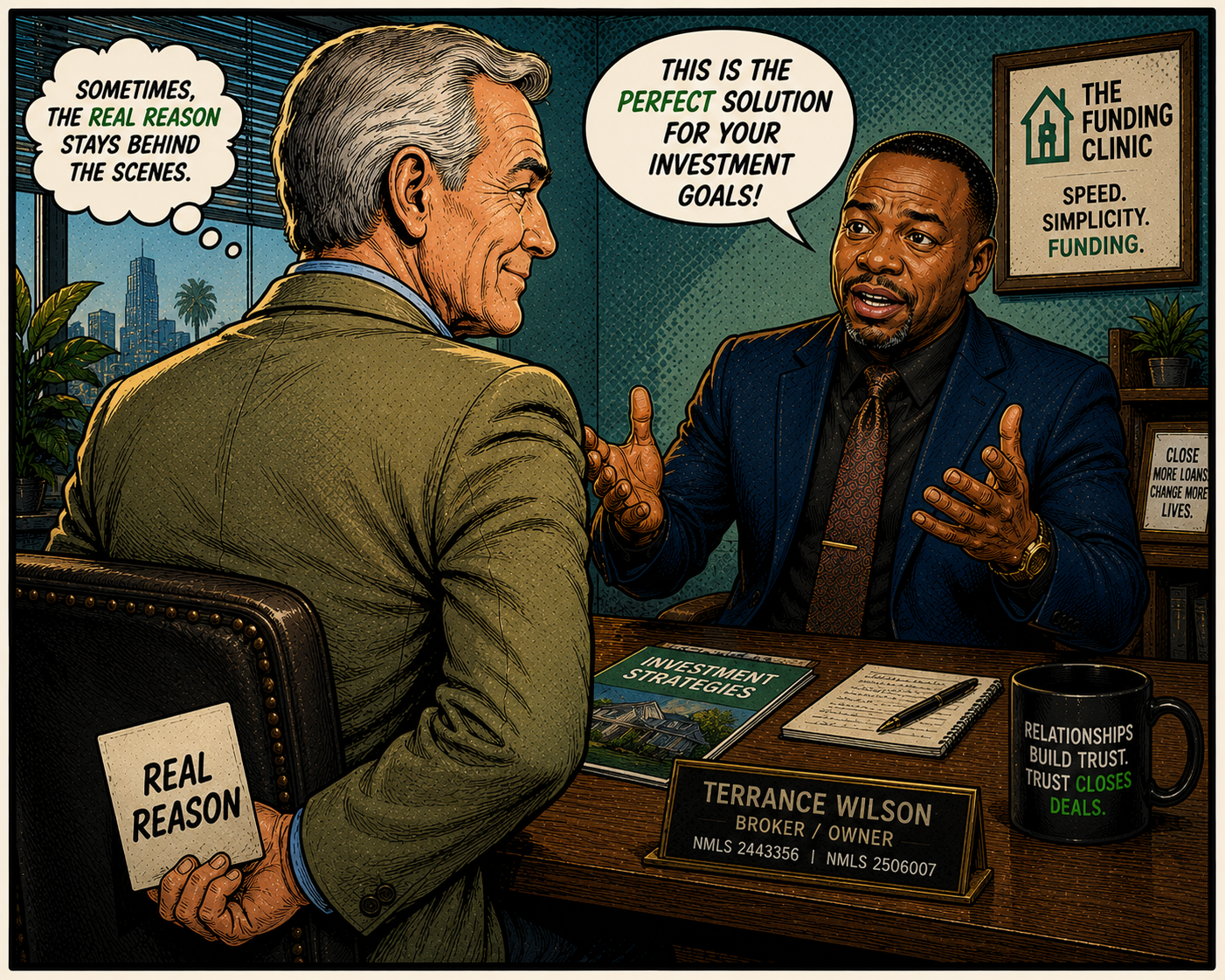
Louis Wharton never said his real objection. And it had a solution the whole time.
Louis was a 75-year-old investor. Paid-off property in Compton. Wanted to pull cash to buy in Texas. Great deal. Great prospect.
But he had a real, logical fear he never directly stated: he didn't want to start paying interest on $400,000 while he shopped for the Texas property. That's called carrying cost.
Terrance never found it. Louis eventually started pitching Norwegian tree sap from an MLM. That was a distraction stall — a way to stall while deciding whether to commit. Terrance engaged with the tree sap for several minutes. All deal momentum died.
The good news: Carrying cost is a completely solvable problem. Terrance can pre-approve, lock the rate, and hold the file so Louis doesn't start paying interest until he closes on the Texas property. The solution existed the whole time. One question, asked early, would have found it and closed the deal.
↪ What should have happened
The pre-emptive question — Hidden Objection fix
Louis never said his real objection. One question, asked before the pitch, would have found it.
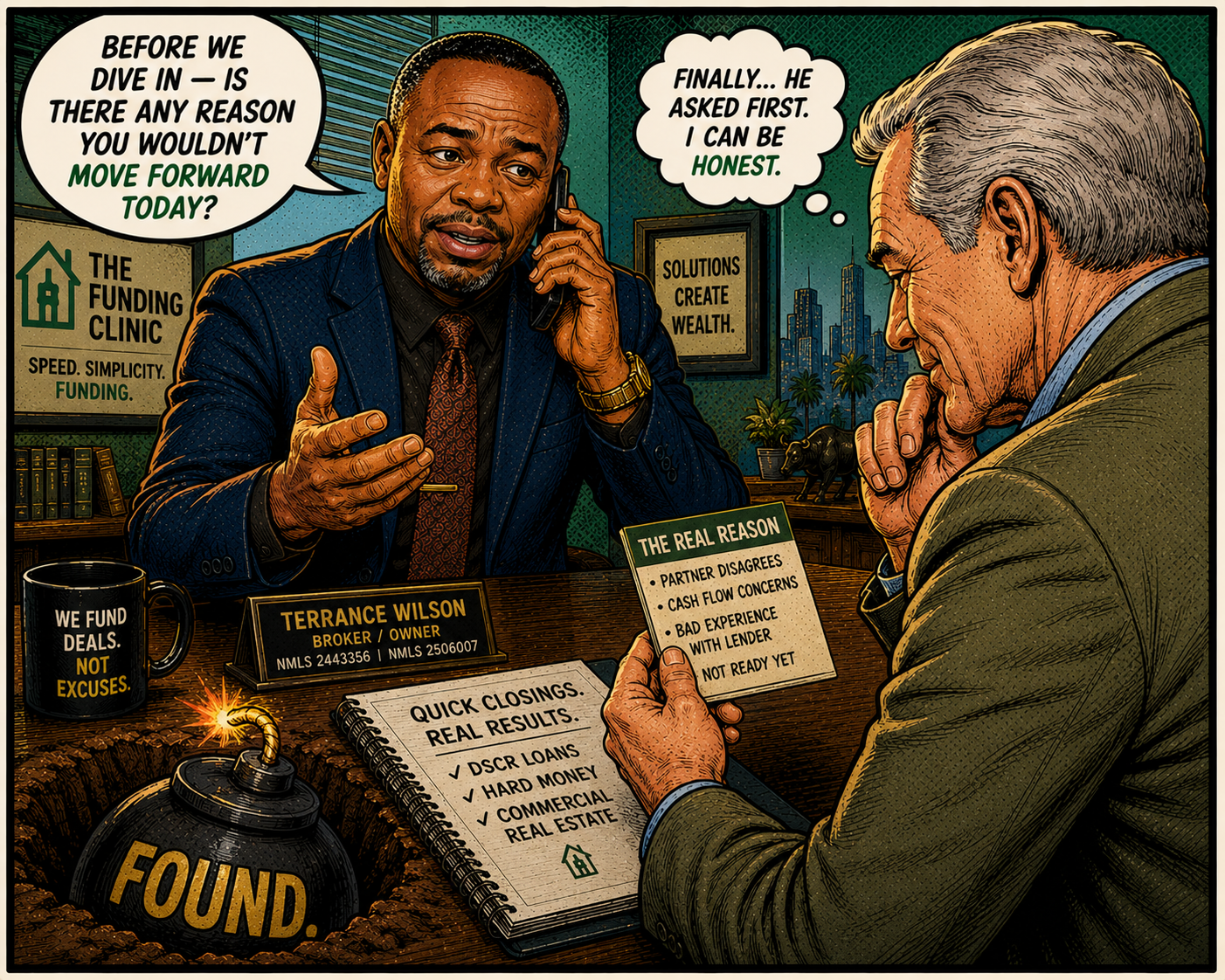
Ask this when trust is high, before you reveal the price:
"If after we go over everything and you agree it all makes sense — is there any reason you wouldn't move forward today?"
What the answers tell you:
🟢 "No" — Real buyer. Close hard. No hesitation.
🟡 "Well, I'd want to talk it over..." — Shield. Handle it with ARC right now.
🔴 "I don't want to start paying interest while I'm shopping..." — Found it. Solve it now.
Hidden objections are the most expensive kind. You can't handle what you can't find. This question finds them before they blow up the deal.
💪Drill this — build the reflex
▶Ask the pre-emptive question before you pitch — not after. "If after we go over everything you agree it all makes sense — is there any reason you wouldn't move forward today?" That's the question. Rapport is highest right before the pitch. That's the one window where they'll give you a real answer. After the pitch, their guard is back up and the honest answer is gone.
▶When they go on a tangent — tree sap, a story, a side business — that's almost always a distraction stall. They're buying time while they decide whether to commit. Don't cut them off cold. Acknowledge it warmly, then use their own GPS (Goal, Problem, Stakes) to bring them back: tie the redirect to what they said they wanted.
▶With Louis, the redirect needed to be rooted in his goal — the Texas property — not just a polite pivot. Something like: "Louis, I love it — and honestly, once we get this Compton property squared away, you'll have the capital to fund whatever you want. But here's the thing: if the right Texas deal shows up next month, you need to already be pre-approved or a cash buyer beats you to it. Let's get you set up right now so you're ready." You're not dismissing the tree sap — you're showing him why the loan serves his bigger picture.
Proactively Uncovering Objections (PUO)
The pre-emptive question found Louis's hidden objection. PUO uses it to clear ALL objections before you pitch.
P
Proactively
You go looking for objections on purpose — before they find you. Not reacting. Hunting.
U
Uncovering
Bringing the hidden thing to the surface. The fear they're not saying out loud. The concern they haven't named yet.
O
Objections
Every reason they can't move forward today. Fee concern. Spouse who needs to be on the call. Timeline. Rate shock. All of it.
The time to surface objections is NOT when you're closing. It's BEFORE you ever start your pitch.
This catches everything — not just hidden objections. A fee concern. A spouse who needs to be on the call. A timeline issue. If they have a reason they can't move today, you want that information now, when you can address it — not after you've pitched for 30 minutes and they say "I need to think about it."
What this is NOT: Not a trick or a trap. It's a genuine diagnostic question. If your product solves their problem, the honest answer should be "no." When it isn't — you just saved both of you 20 wasted minutes.
↪ Real call + the fix
PUO in action — Syed Raza
He panicked at the fee sheet. One sentence, asked before the pitch, changes everything.
Syed Raza had a qualifying deal. The call went fine. Then Terrance sent the quote email and got off the phone. When Syed opened it alone, without any verbal context, he saw a large closing cost total and panicked.
What actually happened — Syed Raza, after opening the email
Syed"You are taking the closing cost about more about $100,000."
✕ A qualified lead, a deal that should have closed — lost to a fee sheet that landed with no warning.
The PUO question, asked before Terrance pitched the product, would have done two things: surfaced any concern about fees before they became an explosion, and gotten a verbal commitment that if everything made sense, he was ready to move.
What should have happened — PUO before the pitch
Terrance"Syed, before I walk you through everything — if after we go over the numbers and you agree it all makes sense, is there any reason you wouldn't be able to move forward today?"
Syed"Well... I'd want to make sure the costs aren't too high."
Terrance"That's a fair one. Let me walk you through exactly how the costs are structured before I send anything — so there are no surprises when you open the email."
✓ Now you know the objection. You pre-frame the fees. Syed opens the email already knowing what he's looking at.
"If after we go over everything you agree it all makes sense — is there any reason you wouldn't move forward today?"
💪 Build the reflex
Drill this — PUO question
Four things that turn this question from theory into reflex.
💪Drill this — build the reflex
1Say the full PUO question out loud until it's smooth: "If after we go over everything you agree it all makes sense — is there any reason you wouldn't move forward today?" It has to sound natural, not scripted.
2Ask it right after you've dug into their situation — before your pitch. That's the one moment their guard is genuinely down and they'll give you a real answer.
3Three responses to expect: "No" = real buyer, close hard. "I'd need to know about the fees" = handle it with the Three Buckets before you send. "I need to run it by someone" = Shield — use ARC now, not at the end.
4This is not a closing trick — it's a diagnostic tool. You're using the open window of trust to find landmines before you step on them.
🔨
The full toolkit
Five objection types. ARP at the top. ARC at the end. PUO before the pitch. The pre-emptive question finds what they never say out loud. That's the whole system.
Now let's drill it.
This already happened in your own pipeline
Troy Hammond found The Funding Clinic through a YouTube keyword search —
the exact targeting strategy this course is built around.
He closed. He came back. He is building a multi-deal portfolio.
He is proof the system works.
YouTube
How he found you
Closed
Multiple loans
Savannah
Buy-and-hold portfolio, GA
Troy Hammond
Real estate investor — methodical buy-and-hold, multi-deal client
The Funding Clinic pipeline — sourced from GHL lead records
💡 The Compounder is real. The system that found him is what you're building right now.
Interleaved drill — round 1 of 2
Three lines. All real calls. Pick the objection type.
Choose your answer. Then see if you're right — and exactly why.
"So let me get back to you — probably by Monday or Tuesday." — Matthew Johnson
What type of objection is this?
TOOLARC — end of call
A"You need time to look it over — fair enough."
R"What specifically do you want to look at — rate, fees, or something else?"
C"Let's handle that right now. Which one is it?"
"Nope. Do it on your own. Nice try. I've been in business too long." — Sunny Harben
What type of objection is this?
TOOLARP — walk around the wall, don't fight it
A"You want me to figure it out on my own — no problem."
R"I can build a custom quote from scratch."
P"Before I do — are you trying to minimize the payment or maximize cash out? Those are different strategies."
"It's a lot easier to get my wife to sign off before we waste a lot of your time." — Marty Fermer
What type of objection is this?
TOOLARC — turn the shield into a scheduled call
A"You want to talk to your wife first — completely understand."
R"Were you two on the same page before this call?"
C"Let's get her on too. What time works for both of you tomorrow?"
Interleaved drill — round 2 of 2
Three more. No warm-up. Pick the type.
These are the trickier ones. Think before you tap.
"I just want to know the going rate. Do you know?" — Matthew Johnson
What type of objection is this?
TOOLARP — top of call
A"You want to know the rates — no problem at all."
R"I'm going to cover all the pricing on this call."
P"Quick question first — buying or pulling cash out?"
"This all sounds great — let me think about it and I'll reach back out." — pattern across multiple calls
What type of objection is this?
TOOLARC — don't accept the warmth as agreement
A"You need a little more time — that makes sense."
R"What's the one thing you want to think through?"
C"Let's handle that right now and if it checks out, we'll get your application submitted today."
"I don't trust anybody until I can verify them." — Cheryll Brevard
What type of objection is this?
TOOLARP — then qualify fast
A+R"You want to verify exactly who you're dealing with — that's incredibly smart. My NMLS is at the bottom of the email I just sent."
P"To respect your time — roughly what loan amount are you looking to pull out today?"
🎧
Listen to the full breakdown
Deep dive on objection identification, the empathy trap, and why "Perfect, perfect" is costing you deals. Real call analysis. ~20 minutes. The test is harder if you skip this.
An objection is anything that stops the deal from moving today — wall, stall, shield, trust wall, or hidden. Doesn't matter how friendly it sounded.
2
"Perfect, perfect" is the sound of you accepting an objection without fighting back. Replace it with a question.
3
ARP (Acknowledge → Respond → Pivot) handles objections at the START of a call. Pivot = a discovery question that takes back control.
4
ARC (Acknowledge → Respond → Close) handles objections at the END of a call. Close = a specific next step with a date and a time.
5
The PUO question — asked before you pitch — flushes out objections while trust is high and you still have time to solve them: "If after we go over everything you agree it all makes sense — is there any reason you wouldn't move forward today?"
6
The pre-emptive question and PUO work together: PUO before the pitch, and the pre-emptive question surfaces what they never say out loud on their own.
7
Every autopsy in this course came from a real call you were already on. You've seen all five objection types. Now you can name them.
One more thing before the test.
The whole system — in order
This is what a fully equipped call looks like from first word to submitted application.
Every tool you learned has a specific moment. This is the sequence.
1
You open the call
Build rapport. Ask questions. Dig into their situation. Find out what they have, what they want, and why now.
You — leading
2
🚧 They hit you with a Rate Wall
"Just give me the rate." — They want one number and they're done with you.
Lead — trying to exit
Use ARP → Acknowledge + Respond + Pivot question. "Buying or pulling cash out?" Now they're invested.
3
You ask the PUO question — before you pitch
Trust is high. Guard is down. This is the only moment they'll tell you the truth.
You — proactively hunting objections
"If after we go over everything you agree it all makes sense — is there any reason you wouldn't move forward today?"
4
🌊 They reveal a hidden objection
"I don't want to start paying interest while I'm still shopping..." — They said the real thing. Now you can solve it.
Lead — telling the truth (because you asked first)
Address it now. Pre-approve, lock the rate, hold the file. Problem solved before it blows up.
5
You pitch the product
Walk them through the deal. Numbers, timeline, how it works. No surprises — you've already handled what was blocking them.
You — presenting
6
🛡 They throw up a Shield
"I need to run it by my wife first." — End-of-call objection. Polite exit vehicle.
Lead — trying to exit politely
Use ARC → "Were you two on the same page before this call?" → "What time works for both of you tomorrow?" Shield becomes a scheduled appointment.
7
They submit the application
Walk them through the 1003 live on the phone — or send the link and lock in a specific time. The goal is not a sent link. The goal is a submitted application. That's what predicts a funded loan.
You — closing
Submitted application → funded loan. That's the chain. That's what you just learned to protect.
🎧
One more listen before you go in.
This is a focused pre-test audio — ARP, ARC, PUO, and the objection types synthesized together. Short. Dense. Worth it. Don't skip.